Press Pause: Why Analog Rooms Are Finding a Place in Today’s Homes
We have smart TVs, smart thermostats, smart appliances and phones smart enough to occupy every spare minute of the day. The advent of the “Internet of Things” (IoT) made sure of that. So, maybe it was inevitable that one of the newest home design trends is decidedly less connected.
The “analog room” is emerging as a place to put down the phone, turn off the television and rediscover all the things we used to do before nearly every form of entertainment arrived through a screen.
A recent Dallas Morning News Abode article on analog rooms explores the growing appeal of spaces devoted to screen-free pursuits. For example, space for library filled with books, a music room with a turntable and vinyl records, a game room stocked with cards and board games, an arts and craft room, or simply a comfortable place where screens are conspicuously absent. The point is not what you put in the room, it’s what you leave out.
At Morningstar a thoughtfully designed master-planned community in Aledo, Texas that idea feels right at home. With a variety of new home designs, outdoor spaces and amenities created for recreation and connection, Morningstar offers plenty of inspiration for making your life a little more analog, both inside the front door and beyond it.
What Exactly Is an Analog Room?
Think of an analog room as the exact opposite of a media room. Instead of designing the room around the biggest possible television, the focus is on activities that invite people to participate rather than watch.
Interior designer Melissa Sanabria told Homes.com that her clients have increasingly asked for dedicated spaces for “reading or musical instruments or puzzles.” Sanabria describes an analog room as a space where people use minimal technology and have somewhere just to “rest and unplug.”
Just because technology has been banned doesn’t mean an analog room has to look old-fashioned. You don’t need a rotary phone, typewriter or stack of vinyl records, although a great record collection certainly wouldn’t hurt. Analog is less about nostalgia than intention. It means giving certain activities and connections a place of their own.
Find the Space You Already Have
The good news is that creating an analog space doesn’t require adding another room to the house. A flexible floor plan may already hold the perfect spot.
For example, a study can become a reading room after work. A game room can feature a table for puzzles, cards and family game nights. An upstairs loft could be filled with books and comfortable chairs. Even a corner of a larger living space can become an analog zone with the right furniture and a few low-tech ground rules.
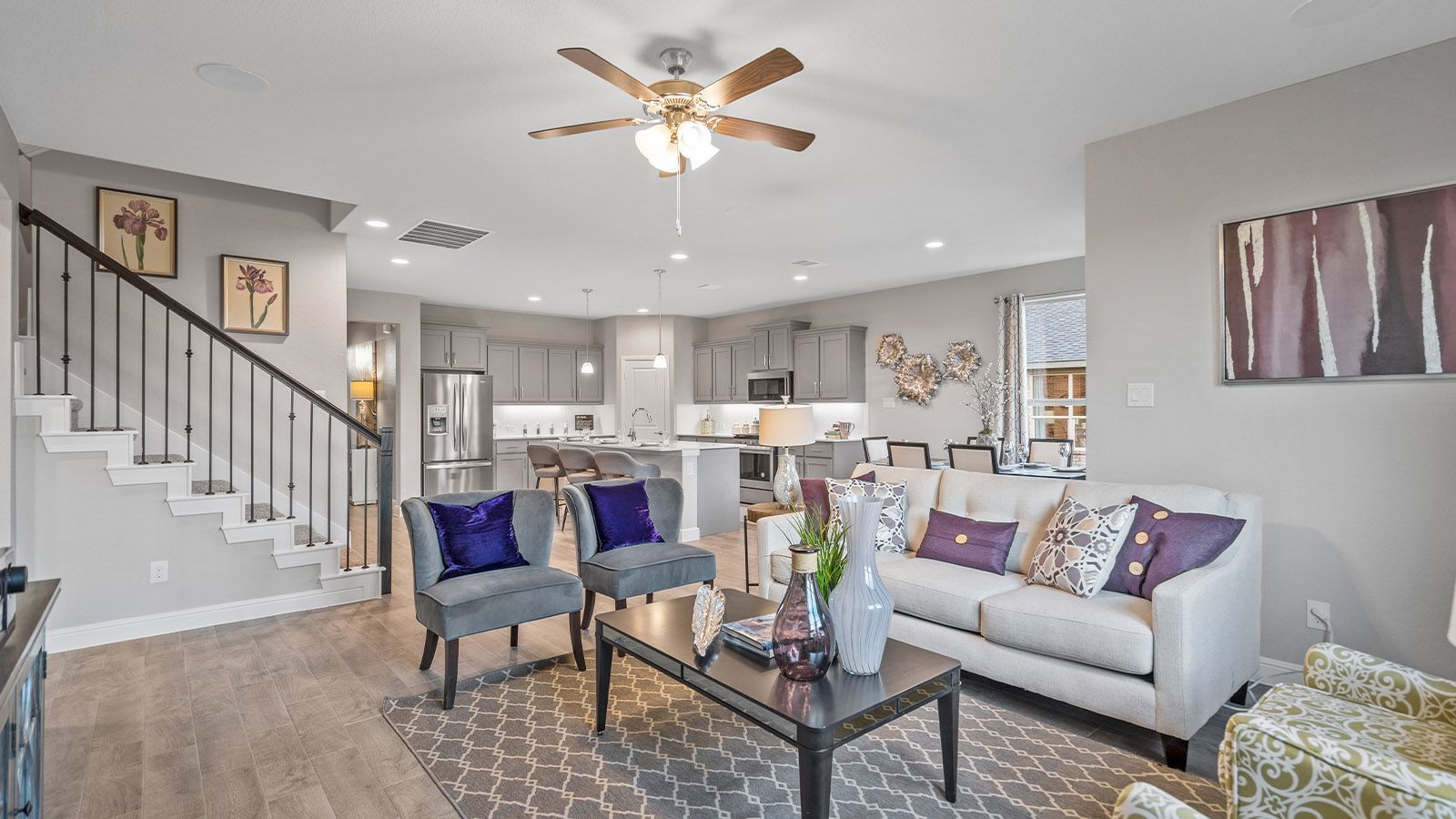
That flexibility may appeal to today’s homeowners because we now expect our homes to do more than ever. Morningstar offers a wide range of home designs from multiple builders allowing buyers to explore floor plans that fit different lifestyles and stages of life. The question when touring a home may no longer be simply, “Where will the television go?” It might also be, “Where could we create a space without one?”
Design for What You Want to Do
The most successful analog rooms start with an activity rather than a decorating style. A reading room begins with comfortable seating, good lighting and books within reach. If your family loves games, give a sturdy table center stage and keep games somewhere they are easy to see and grab. Musicians might build a room around instruments, records and listening. Artists and crafters can organize supplies so starting a project requires less effort than scrolling on the phone.
Accessibility is important. Designers interviewed by Homes.com point out that analog activities are more likely to happen when they are easy to begin. Instead of relying on willpower to spend less time with technology, homeowners can create an environment that naturally offers something else to do.
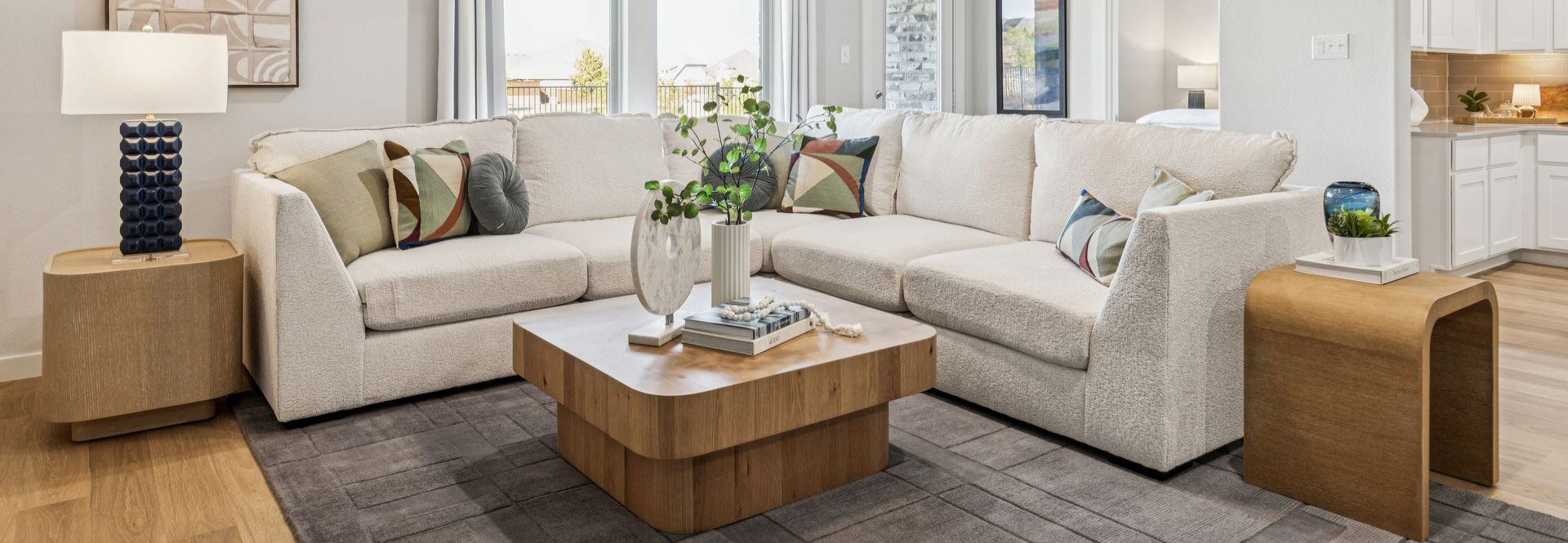
An analog room should encourage you to stay a while. Think soft seating, warm lighting, tactile materials, a table within reach and perhaps shelves filled with books, games or objects connected to favorite hobbies. There’s no reason the most low-tech room in the house can’t also be one of the most beautiful.
Take the Analog Life Outside
Of course, one of the easiest ways to step away from a screen is to step outside. That’s where living at Morningstar extends the analog-room idea well beyond four walls. The community amenities include miles of hiking and biking trails, lakes and fishing, pools and splash pads, a basketball court, open spaces and an indoor event center. Morningstar also has an on-site lifestyle and management team that plans events designed to bring neighbors together.
In other words, your analog space might include a comfy chair and a good book at home but could just as easily be a walk along the creek, a bike ride, an afternoon by the pool or a conversation with neighbors that become friends.
Making Room for Real Life
Technology isn’t going anywhere. Why should it? It helps us work, learn, communicate, find our way across town and settle countless arguments without having to remember what actor played in which movie! And that’s exactly why a room where none of those things are happening starts to feel like a luxury.
As homes become smarter, an analog room reminds us that some of the best things in life require no technology at all. We read, talk, and listen to music. We make things. We play games. We spend quality time together.
At Morningstar, your home is about so much more than the space where you live. It’s about making room for the way you want to live. Sometimes, that might mean the smartest room in the house is the one where you turn everything off.
Ready to find a home with room for everything that matters to you? Explore the new homes, builders and lifestyle waiting for you at Morningstar.
Schedule a visit today!